What is Digital Marketing? A Complete Guide for Beginners (With Benefits & Comparison)
In today’s fast-paced online world, businesses can no longer rely solely on traditional methods to reach their audience.
Read More
Ranking on Google isn’t what it used to be. A few years ago, you could stuff keywords into a page, build some backlinks, and watch your rankings climb. Today, Google is far more sophisticated—powered by machine learning systems that understand intent, context, and content quality at a near-human level.
Ranking on Google isn’t what it used to be. A few years ago, you could stuff keywords into a page, build some backlinks, and watch your rankings climb. Today, Google is far more sophisticated—powered by machine learning systems that understand intent, context, and content quality at a near-human level.
Ironically, the best way to keep up with Google’s AI is by using AI yourself—but doing it in a way that still feels human. That balance is where advanced AI SEO comes in.
Let’s break down how you can actually use AI to rank higher on Google while keeping your content authentic, useful, and engaging.
Traditional SEO starts with keywords. Advanced AI SEO starts with intent.
AI tools can now analyze search results and cluster keywords based on what users actually want. Instead of targeting a single keyword like “best running shoes,” you should understand whether the searcher wants:
AI tools help you identify these patterns quickly, but the human part comes in interpretation. Ask yourself: What problem is the reader trying to solve?
When your content genuinely answers that question better than anyone else, rankings follow naturally.
AI can generate entire articles in seconds—but publishing raw AI content is one of the fastest ways to not rank.
Instead, use AI to:
Then step in and add what AI can’t:
Google rewards content that feels real. If your blog sounds like it was written by a machine, readers will bounce—and Google notices that.
One powerful way AI can boost SEO is through topic clustering.
Instead of writing random blog posts, AI tools can map out an entire content ecosystem around a core topic. For example, if your niche is digital marketing, AI might suggest clusters like:
You then create a main “pillar” page and supporting articles that link back to it.
This structure signals to Google that you’re not just writing content—you’re building authority.
Google’s algorithms now understand conversational language thanks to advancements in natural language processing.
That means your content should sound like a person talking—not like a keyword list.
Instead of writing:
“Best AI SEO tools for SEO optimization tools AI marketing”
Write:
“If you’re looking for AI SEO tools that actually make your workflow easier, there are a few standout options worth exploring.”
AI writing assistants can help refine tone, but you should always edit for clarity and flow. Read your content out loud—if it sounds awkward, it probably is.
Advanced AI SEO tools can analyze your content against top-ranking pages and give suggestions like:
But here’s the key: don’t blindly follow every suggestion.
If everyone uses AI tools the same way, content becomes identical. Your job is to differentiate, not duplicate.
Use AI insights as a guide—not a rulebook.
Google tracks how users interact with your content:
AI can help optimize structure (headings, formatting, summaries), but engagement comes from human connection.
To make your content more engaging:
The goal is simple: make readers feel like they’re learning from a person, not a system.
One of AI’s biggest advantages is speed. You can produce more content in less time—but scaling too fast can backfire.
Instead of publishing 50 mediocre articles, focus on:
AI should help you scale smartly, not blindly.
SEO is no longer “set it and forget it.”
AI tools can monitor your rankings, track competitors, and suggest updates. Use this data to:
Google favors content that evolves over time. Think of your blog posts as living documents—not one-time projects.
This might be the most important point of all.
AI can help you rank—but humans decide whether your content deserves to rank.
Before publishing, ask yourself:
If the answer is yes, you’re on the right track.
Advanced AI SEO isn’t about gaming the system—it’s about understanding it.
Google’s algorithms are getting better at recognizing quality, relevance, and authenticity. By combining AI efficiency with human creativity, you can create content that not only ranks but also resonates.
In the end, the formula is simple:
Use AI to work smarter. Use your voice to stand out.
That’s how you win in modern SEO.
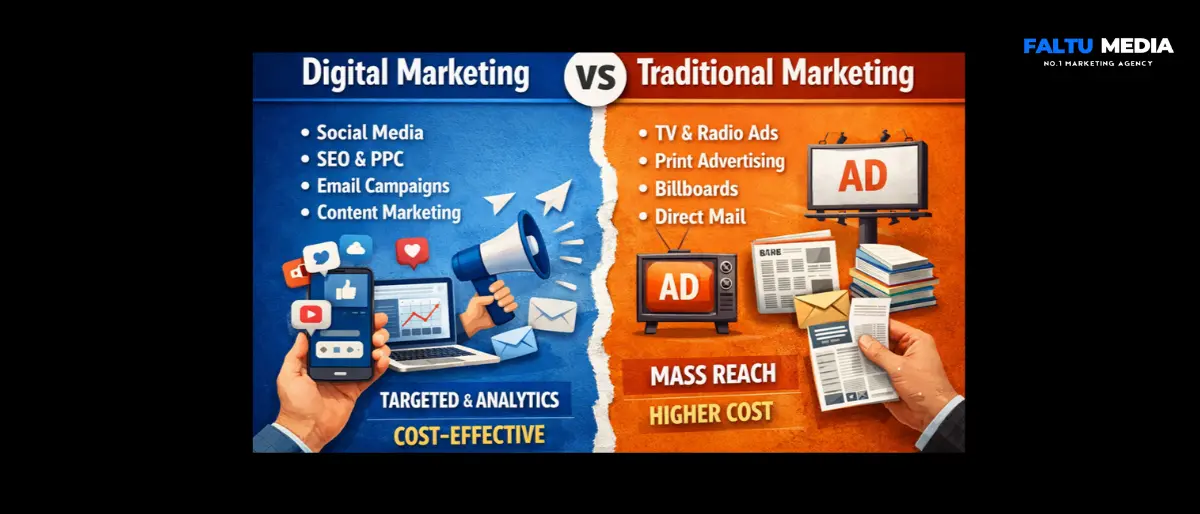
In today’s fast-paced online world, businesses can no longer rely solely on traditional methods to reach their audience.
Read More